Download brochure
Free brochure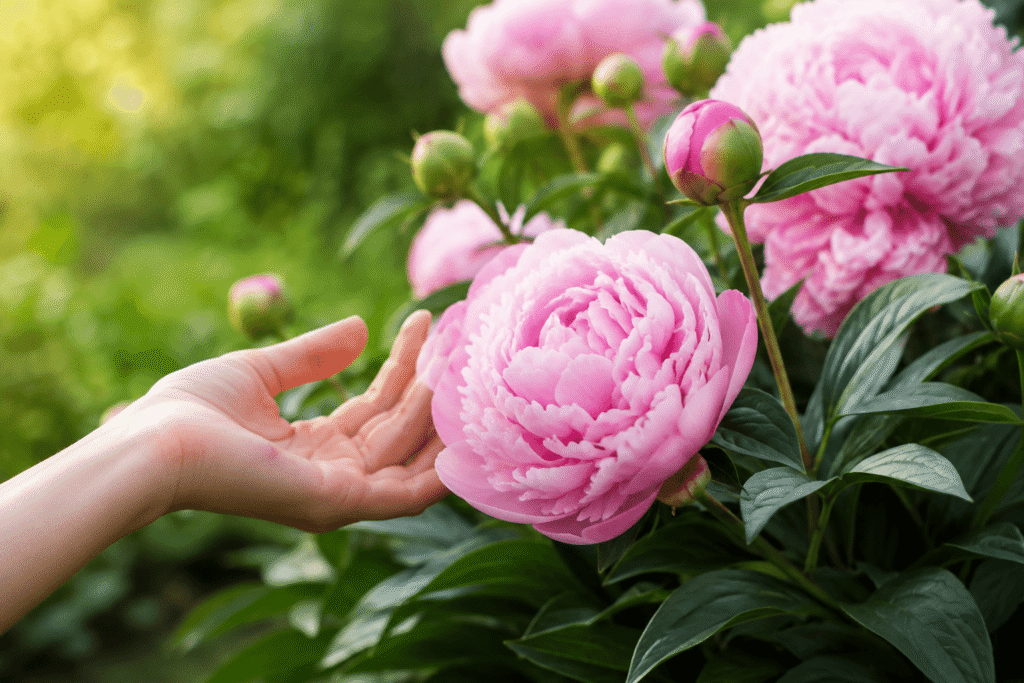
Are peonies poisonous to humans?
- 14 August 2026
Peonies are popular for their large, beautiful flowers, but you may wonder whether the plants are safe to have in the garden. Peonies are considered mildly toxic to humans when eaten, but they are not considered highly dangerous. In this blog, we explain which parts of the peony can be harmful, what symptoms may occur and how to handle peonies safely.
This blog in short
- Peonies are mildly toxic to humans when eaten
- The plant contains a naturally occurring compound called paeonol
- The roots and bark contain higher concentrations of paeonol
- Eating peony plant material may cause stomach problems
- Peonies are generally safe to grow and handle in the garden
What makes peonies poisonous to humans?
Peonies contain a naturally occurring compound called paeonol. This substance can be found in different parts of the plant, but higher concentrations are found in the roots and bark.
Eating parts of the peony plant may cause symptoms such as nausea, stomach pain or other digestive problems. The risk mainly comes from ingesting the plant. Simply touching peonies in the garden or handling the flowers normally does not cause problems for most people.
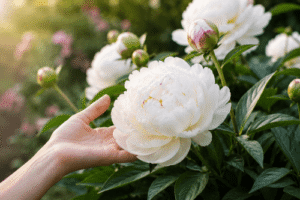
Which parts of peonies are poisonous?
Different parts of the peony plant contain different amounts of paeonol. The roots and bark generally contain higher concentrations than the flowers and leaves. Although some parts contain less paeonol, peonies are ornamental plants and should not be eaten. The table below shows which parts of the peony contain the most paeonol and what you should know about them:
| Part of the peony | What to know |
|---|---|
| Roots and bark | Contain higher concentrations of paeonol |
| Leaves | May cause stomach problems if eaten |
| Stems | Should not be eaten |
| Petals | Contain lower amounts but are not intended for consumption |
| Flowers and foliage | Generally safe to touch and handle |
What happens if you eat peonies?
Eating peony plant material can cause digestive problems. Possible symptoms include nausea, abdominal pain, vomiting or diarrhea. The symptoms can depend on how much of the plant was eaten and the person involved.
Small accidental amounts are less likely to cause serious problems, but peonies should still not be considered edible plants. If someone has eaten a significant amount of a peony or develops concerning symptoms, it is best to contact a medical professional or local poison information service for advice.
Are peonies dangerous for children?
Peonies can be grown in gardens where children are present, but children should be taught not to eat any part of the plant. Young children may be more likely to put flowers, leaves or other plant material in their mouths while playing outside.
There is usually no reason to avoid growing peonies in a family garden. Keeping an eye on young children and teaching them not to eat garden plants helps reduce the risk of accidental ingestion.
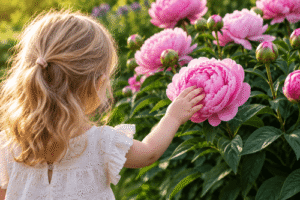
How to handle peonies safely
Peonies are generally safe to grow, cut and handle. The main risk comes from eating the plant rather than normal contact with the flowers or foliage. No special equipment is normally needed when working with peonies in the garden.
Wash your hands after handling the roots and teach children not to eat garden plants. It is also a good idea to dispose of cut roots and other plant material where young children cannot easily reach them.
Peonies are generally safe to grow and enjoy
Peonies are mildly toxic to humans when eaten, but they are generally safe to grow and handle. The roots and bark contain higher concentrations of paeonol, while normal contact with the flowers and leaves is not usually a problem.
With a few simple precautions, peonies can be safely enjoyed as garden plants and cut flowers. Avoid eating any part of the plant, keep plant material away from young children and wash your hands after working with the roots.
Groot & Groot: order peonies in bulk
Would you like to know more about peonies, or are you curious about the availability and prices of our peonies or peony roots? Feel free to contact us. Groot & Groot supplies peony flowers and peony cuttings in wholesale quantities.
We supply worldwide to professional growers and export wholesalers. At Groot & Groot, we are able to grow peonies all year round, so we are not seasonal. You can email us at info@grootgroot.nl or call us at 0228-208050. We would be happy to help you.